

Stainless Steel Pipe
Why Choose Us
Professional Team
Wuxi Hongcheng Metal Products Steel Co.,ltd is a manufacturer and exporter dedicated to stainless steel industry for decades. With improving sales and service experience, we have now built strong business relationships with clients at home and abroad.
Wide Range of Products
Our main products are featuring stainless steel sheet, coil, bar, pipe, flat steel, square steel, angel steel, channel steel, hexagonal rod, etc. Our processing includes mirror surface, common wire drawing, oil mill, titanium coating, etching checked plate and other customized processing.
Advanced Equipment
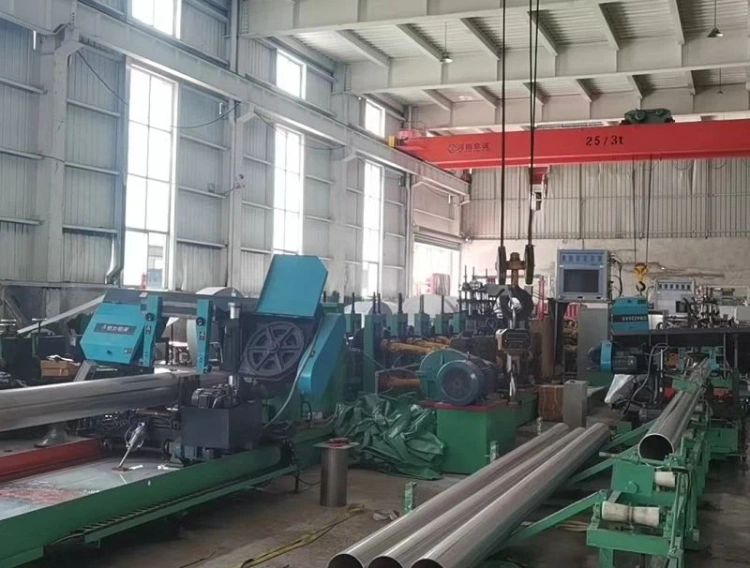
We have our own roll slitting equipment and shock wave device. If our customer need a coil weighs 4 tons, we can split it on our own. Other processing requirements can also be satisfied.
Quality Control
We control the product quality critically for every step during the manufacturing. We offer technical data sheet on our products that can guarantee the quality.
What Is Stainless Steel Pipe
Stainless steel pipes are the pipes used for carrying highly chemical gases, corrosive fluids etc. These pipes can also be called corrosive-resistant pipes. Stainless steel comes under the category of high-quality alloy steel as it contains more than 8% elements in it.
-
![309 Stainless Steel Pipe Best Price]() 309 Stainless Steel Pipe Best Price309 stainless steel pipe is a high-performance austenitic pipe with 22-24% chromium and 12-15% nickel. It boasts excellent heat resistance (up to 870°C), corrosion resistance and good ductility,...read more
309 Stainless Steel Pipe Best Price309 stainless steel pipe is a high-performance austenitic pipe with 22-24% chromium and 12-15% nickel. It boasts excellent heat resistance (up to 870°C), corrosion resistance and good ductility,...read more -
![Stainless Steel Square Pipe Tube Best Price]() Stainless Steel Square Pipe Tube Best Price316L stainless steel square pipes boast superior corrosion resistance, low carbon content, and excellent weldability. Ideal for marine, chemical, food, and construction sectors, they offer stable...read more
Stainless Steel Square Pipe Tube Best Price316L stainless steel square pipes boast superior corrosion resistance, low carbon content, and excellent weldability. Ideal for marine, chemical, food, and construction sectors, they offer stable...read more -
![Stainless Steel Round Pipe Tube 316L Best Price]() Stainless Steel Round Pipe Tube 316L Best Price316L stainless steel pipes are premium corrosion-resistant tubing, ideal for harsh environments like marine, chemical, and food industries. With low carbon content, they avoid sensitization and...read more
Stainless Steel Round Pipe Tube 316L Best Price316L stainless steel pipes are premium corrosion-resistant tubing, ideal for harsh environments like marine, chemical, and food industries. With low carbon content, they avoid sensitization and...read more -
![Stainless Steel Square Pipe 321H Made in China]() Stainless Steel Square Pipe 321H Made in ChinaOur warehouse supplies premium SS321H square tubes—titanium-stabilized austenitic stainless steel. Boasting superior high-temperature resistance, anti-corrosion performance and precise dimensions,...read more
Stainless Steel Square Pipe 321H Made in ChinaOur warehouse supplies premium SS321H square tubes—titanium-stabilized austenitic stainless steel. Boasting superior high-temperature resistance, anti-corrosion performance and precise dimensions,...read more -
![Stainless Steel Round Pipe 321H Made in China]() Stainless Steel Round Pipe 321H Made in ChinaThe warehouse stocks premium SS321H round tubes, a titanium-stabilized austenitic stainless steel grade ideal for high-temperature and corrosive environments. These precision-engineered tubes,...read more
Stainless Steel Round Pipe 321H Made in ChinaThe warehouse stocks premium SS321H round tubes, a titanium-stabilized austenitic stainless steel grade ideal for high-temperature and corrosive environments. These precision-engineered tubes,...read more -
![Stainless Steel Square Pipe 316 Made in China]() Stainless Steel Square Pipe 316 Made in China316 stainless steel square pipe, a molybdenum - added austenitic alloy, offers outstanding corrosion resistance, especially against chlorides. It has good high - temperature strength and...read more
Stainless Steel Square Pipe 316 Made in China316 stainless steel square pipe, a molybdenum - added austenitic alloy, offers outstanding corrosion resistance, especially against chlorides. It has good high - temperature strength and...read more -
![Stainless Steel Pipe Tube 316 Made in China]() Stainless Steel Pipe Tube 316 Made in China316 stainless steel pipe, molybdenum - enhanced austenitic alloy, excels in corrosion resistance, especially vs chlorides. Boasts high - temperature strength and weldability. Ideal for marine,...read more
Stainless Steel Pipe Tube 316 Made in China316 stainless steel pipe, molybdenum - enhanced austenitic alloy, excels in corrosion resistance, especially vs chlorides. Boasts high - temperature strength and weldability. Ideal for marine,...read more -
![Stainless Steel Square Pipe Tube Made in China]() Stainless Steel Square Pipe Tube Made in China304 stainless steel square tubes, renowned for corrosion resistance and durability, are stored in an organized warehouse. Stacked neatly on racks, these tubes feature precise dimensions and smooth...read more
Stainless Steel Square Pipe Tube Made in China304 stainless steel square tubes, renowned for corrosion resistance and durability, are stored in an organized warehouse. Stacked neatly on racks, these tubes feature precise dimensions and smooth...read more -
![Stainless Steel Round Pipe Tube 304 Made in China]() Stainless Steel Round Pipe Tube 304 Made in ChinaThese 304 stainless steel pipes—corrosion-resistant, durable, and widely used in industries—are neatly stacked in the warehouse. Their polished surfaces and standard dimensions suit plumbing,...read more
Stainless Steel Round Pipe Tube 304 Made in ChinaThese 304 stainless steel pipes—corrosion-resistant, durable, and widely used in industries—are neatly stacked in the warehouse. Their polished surfaces and standard dimensions suit plumbing,...read more -
![421 Stainless Steel Square Pipe Tube.]() 421 Stainless Steel Square Pipe Tube.Our 421 stainless steel square tube combines exceptional corrosion resistance and high mechanical strength, ideal for industrial piping, construction, and machinery applications. With precise...read more
421 Stainless Steel Square Pipe Tube.Our 421 stainless steel square tube combines exceptional corrosion resistance and high mechanical strength, ideal for industrial piping, construction, and machinery applications. With precise...read more -
![421 Stainless Steel Pipe Tube Best Price]() 421 Stainless Steel Pipe Tube Best Price421 stainless steel tubes feature excellent corrosion resistance and stable mechanical strength. With OD 6-219mm & wall thickness 0.5-10mm, they suit automotive, medical & industrial uses,...read more
421 Stainless Steel Pipe Tube Best Price421 stainless steel tubes feature excellent corrosion resistance and stable mechanical strength. With OD 6-219mm & wall thickness 0.5-10mm, they suit automotive, medical & industrial uses,...read more -
![309 Stainless Steel Square Pipe Best Price]() 309 Stainless Steel Square Pipe Best Price309 stainless steel square tubes are premium Cr-Ni alloy products, offering excellent high-temperature resistance (up to 900℃) and corrosion resistance. With stable mechanical properties, neat...read more
309 Stainless Steel Square Pipe Best Price309 stainless steel square tubes are premium Cr-Ni alloy products, offering excellent high-temperature resistance (up to 900℃) and corrosion resistance. With stable mechanical properties, neat...read more


Areas Where Stainless Steel Pipes Are Used
Stainless steel pipes are used in so many areas due to their long-lasting property and longevity. These pipes are used in various domains like :
Lng
Stainless steel pipes are the most reliable source used for supplying natural gas, so they could safely reach the desired destinations.
Nuclear power
It is used for nuclear power because it can resist hot temperatures. It not only provides safety but sustenance too.
Kitchen areas
Kitchenwares, kitchen fittings use stainless steel as it does not cause rust and. It also has antibacterial properties which make it best suited for kitchen areas.
Water supply system
Stainless steel pipes are used for water supply because it has great strength and does not need a high level of maintenance. It also offers a great pressure potential which is the most important factor to consider in this area.
Chemical factories
Harmful chemicals are used in the factories which could be problematic for everyone. These pipes can withstand such harmful chemicals due to their corrosion-resistant properties.
Aircraft hydraulic lifts
Due to the low risk of leakage and long-lasting property, these pipes are used in hydraulic lifts. It would never discharge into the oil and offers great strength. This is why stainless steel pipes are preferred over any other pipes.
What Are Different Grades of Stainless Steel Pipe
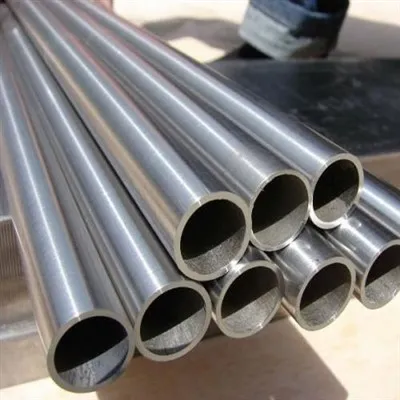
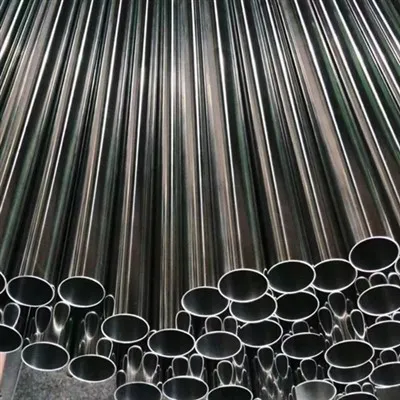
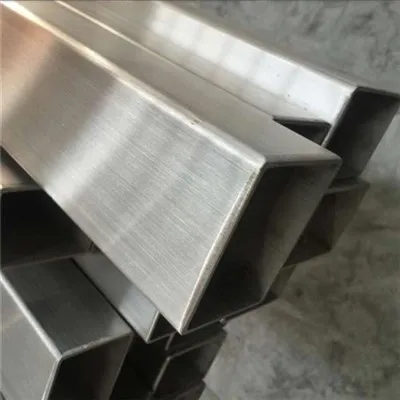
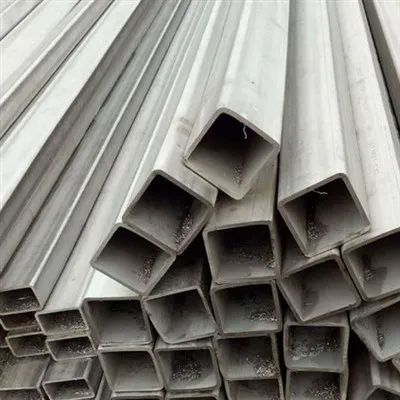
Stainless steel is most widely used material for the fabrication of industrial products due to its excellent durability, versatility and cost effectiveness. Stainless steel pipe is available in diverse varieties such as seamless, welded, ERW, EFW, cold drawn etc. that are available in different standards and specifications. Due to the chromium and nickel content, stainless steel offers exceptional resistivity and strength even in hostile conditions. Stainless Steel Pipes are available in different grades that established by different standards such as SAE, ASTM, BS, EN, ASME and other standards. Stainless Steel Pipe is available in different families and their respective grades that are differentiated according to chemical composition:
● Austenitic stainless steel pipe: Stainless steel pipe is available in different austenitic grades including 303, 304, 310, 316 and 321 that vary in chemical composition and properties. These grades are most common grades that has higher amount of nickel, molybdenum and chromium content. These versatile grades offer exceptional malleability, tensile strength and anti-corrosiveness features. These austenitic grades of stainless steel pipe offer exceptional creep resistance and resistance to pitting, and crevice corrosion. These stainless steel grades, 304, 316, 321 are further classified according to the carbon content. Stainless steel pipe offer exceptional toughness at elevated as well as cryogenic temperatures.
● Ferritic stainless steel pipe: This grade pipe is one of the most economical due to its less nickel content. Ferritic grades contain molybdenum, chromium, titanium, niobium and other elements that offer excellent creep resistance and toughness even in aggressive environments. Most of these stainless steel pipe grades are magnetic and offer excellent weldablity. Ferritic grades of stainless steel pipe include 430 and 410 grades that offer remarkable resistance to corrosion, oxidation and stress corrosion cracking.
● Uplex stainless steel pipe: These pipes have combines properties of austenitic and ferritic grades that make it stronger and one of the most widely used grades. Duplex stainless steel pipe is lightweight and resistant to corrosion. Due to this feature, this pipe is suitable for marine applications. Stainless steel pipe offer excellent tensile strength, and easy formability features. Duplex stainless steel grades include 2304, 255, 2205, and super duplex 2507 etc.
● Martensitic & precipitation hardening stainless steel pipe: This pipe is similar to ferritic but has elevated carbon content. Stainless steel pipe with martensitic grade are used in applications that require hardened edge. Due to excellent hardening and tempering features this grade is used in medical instruments. Stainless steel pipe is available in grades like 410 and 420.
Steps to prevent stainless steel pipe corrosion should be undertaken throughout the stainless steel pipe lifecycle. Best practices during the design and production stage, as well as routine maintenance, will prolong the performance and appearance of the metal.
Design
Taking a proactive stance with stainless steel pipe design pays off in the long term. Proper planning in the design stage of stainless steel pipe applications will minimize water penetration and reduce the potential for surface damage. Drainage holes for water should be used when possible, and cavities and crevices limited. Air flow is critical, and the design should encourage air to circulate freely throughout the application.
Fabrication
During the fabrication stage, it is important to prevent stainless steel pipe from contacting iron or ordinary steel. This requires vigilance in surveying the surrounding environment including work tables, tools, storage units, steel turning rolls, and chains. Any carbon steel dust particles settling onto the stainless steel pipe during fabrication can contaminate its surface, increasing the potential for rust formation. Furthermore, cleaning and grinding tools that have been used with carbon or low alloy steel must be kept separate from stainless steel pipes.
Maintenance
Regular maintenance plays a key role in stainless steel pipe rust prevention, as well as limiting the progression of existing rust. It is essential to remove any rust that has formed using mechanical or chemical means. The resulting grime can then be cleared away using warm water and soap. After cleaning, a rust-resistant coating should be applied.
Exploring the Advantages of Stainless Steel Pipes
With its durability, corrosion resistance, and versatility, stainless steel pipes offer numerous advantages over traditional materials.
One of the main advantages of stainless steel pipes is their durability. Stainless steel is a strong and robust material that can withstand extreme temperatures, pressures, and environmental conditions. This makes it ideal for use in industrial settings where pipes are exposed to harsh chemicals, high temperatures, and heavy loads. Unlike other materials, stainless steel does not corrode, rust, or degrade over time, ensuring a longer lifespan for your piping system.
Stainless steel is known for its excellent corrosion resistance, making it a popular choice for industrial plumbing. This is due to the high levels of chromium present in the material, which forms a protective layer on the surface of the steel. This layer prevents the steel from coming into contact with corrosive substances, such as acids and chemicals, and helps to maintain the integrity of the piping system. As a result, stainless steel pipes require less maintenance and have a longer lifespan compared to other materials.
Another advantage of stainless steel pipes is their versatility. Stainless steel pipes come in a variety of sizes, shapes, and thicknesses, making them suitable for a wide range of applications. They can be easily welded, bent, and cut to fit any design or layout, making them ideal for complex industrial plumbing systems. Additionally, stainless steel pipes can be used for both high and low-pressure applications, making them a versatile choice for any industrial setting.
While stainless steel pipes may have a higher upfront cost compared to other materials, they offer long-term cost savings. Due to their durability and corrosion resistance, stainless steel pipes require less maintenance and have a longer lifespan, reducing the need for frequent replacements. This can result in significant cost savings over time, making stainless steel a cost-effective choice for industrial plumbing.
In addition to its functional benefits, stainless steel pipes also offer aesthetic advantages. The sleek and modern appearance of stainless steel pipes can enhance the overall look of an industrial facility. This can be especially beneficial for businesses that have customer-facing areas, as the use of stainless steel piping can create a professional and polished image.
Stainless steel gas pipes are the most preferred gas pipes in the construction industry and of the most preferred stainless steel gas pipes and fitting, there are two more subcategories of stainless steel pipes: 304 and 316 stainless steel pipes.
Talking about the facts, there are no such wider and significant differences between them, but certainly there are some of the benefits. Grade 304 stainless steel pipes, also known as "18-8" stainless steel, contain 18% chromium and 8% nickel, which makes them resistant to corrosion and oxidation in extreme environments. These pipes are used to have corrosion resistance and can be used for multiple options, like plumbing, gas pipes, and more.
Grade 316 stainless steel pipes offer excellent resistance to corrosion, making them superior and capable of working in harsh environments. This grade contains higher levels of chromium (16–18%), nickel (10–14%), and molybdenum (2–3%). Its composition enhances its resistance to corrosion, making it ideal for use in the chemical, pharmaceutical, and marine industries. Also, it is more durable and full of strength, which makes it more suitable for working under high pressure and at high temperatures. One must choose 304 or 316 stainless steel pipes based on their choice and need, both are best in their way and are efficiently utilized by engineers, builders, and architects.
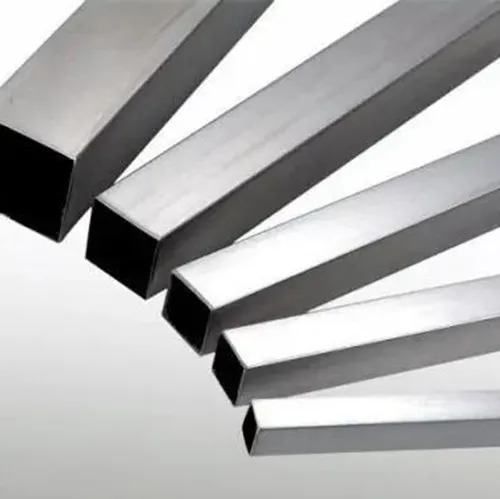
When the protective film is damaged, rust will naturally occur. The surface of the stainless steel tube has a very thin, firm, dense, and stable chromium-rich oxide film. The reason why the stainless steel tube is rust-proof is that this oxide film prevents oxygen atoms from infiltrating and oxidizing and causing rust.
Different Type of Stainless Steel Pipes Based on Application Areas
Sanitary pipes
Sanitary pipes are made of stainless steel and are used in high sanitation applications such as sensitive applications. This pipe type is given the greatest priority in the industry for efficient fluid flow. The pipe has the best corrosion resistance and does not rust due to its simplicity of maintenance. Various tolerance limits are determined based on the application.
Mechanical pipes
Hallow components, bearing parts, and cylinder parts are commonly utilized in mechanical pipe applications. The mechanics may be readily regulated to a broad range of sectional shapes such as rectangular, square, and other shapes that add up to conventional or traditional shapes. They have excellent machinability and are used in applications like automotive or agricultural machinery.
Polished pipes
The polished stainless steel pipes are utilized in the home facility depending on the specifications. The polished pipes aid in the reduction of wear and tear on working components. It also aids in the reduction of adhesion and contamination of various equipment surfaces. The electropolished surface has a wide range of uses. Stainless steel polished pipes do not require any extra coating. Polished pipes have an essential and critical role in aesthetic and architectural applications.
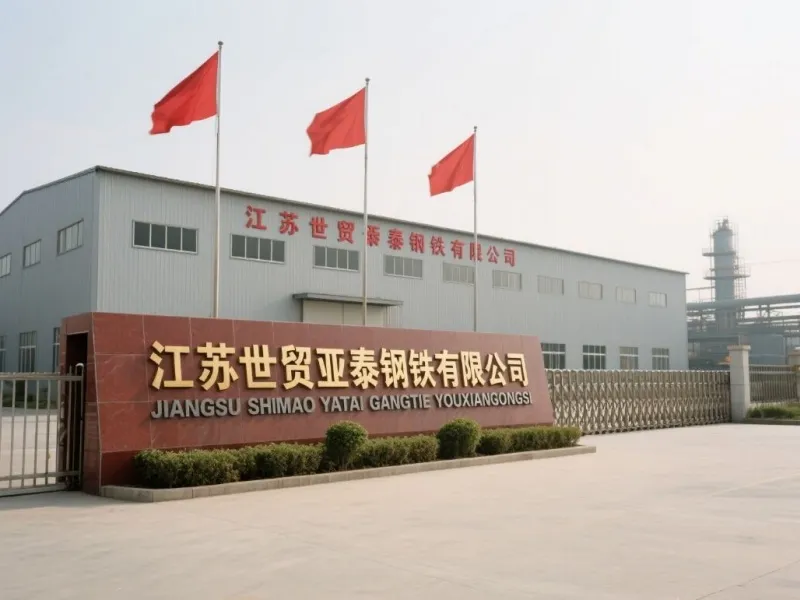
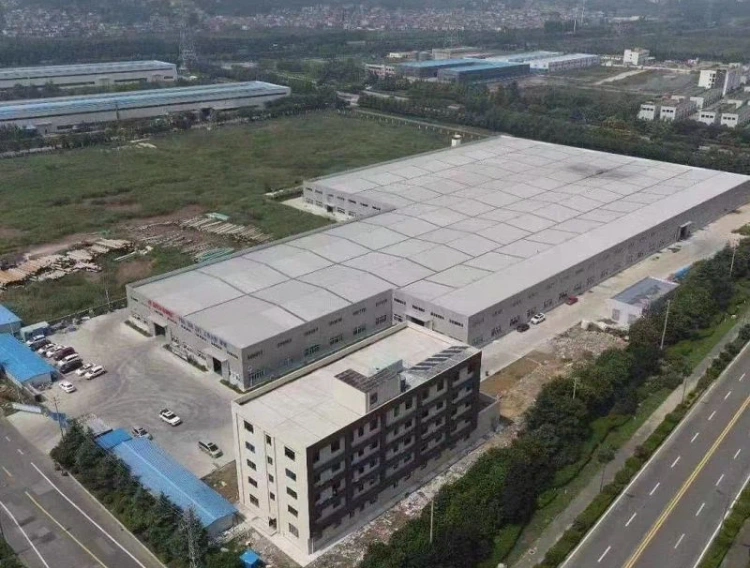
Wuxi Hongcheng Metal Products Steel Co.,ltd is a manufacturer and exporter dedicated to stainless steel industry for decades. With improving sales and service experience, we have now built strong business relationships with clients at home and abroad.
Hongcheng Metal Products is an enterprise incorporating raw material supply, storage, processing and delivery with the benefits of advanced industries and convenient transportation.
FAQ
As one of the most professional stainless steel pipe manufacturers and suppliers in China, we're featured by quality products and good price. Please rest assured to buy stainless steel pipe made in China here from our factory.
316l stainless steel plates, 430 2b stainless steel coil, stainless steel decorative sheets