

Stainless Steel Round Pipe
Why Choose Us
Professional Team
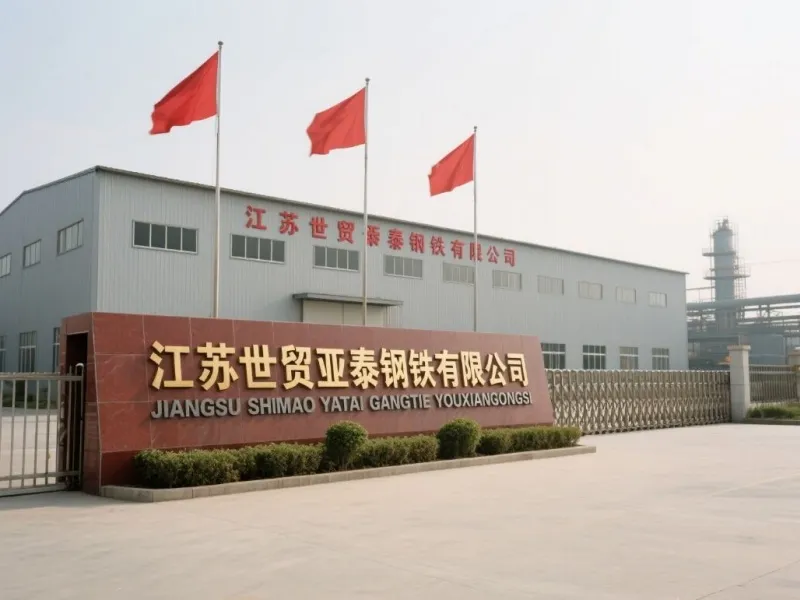
Wuxi Hongcheng Metal Products Steel Co.,ltd is a manufacturer and exporter dedicated to stainless steel industry for decades. With improving sales and service experience, we have now built strong business relationships with clients at home and abroad.
Wide Range of Products
Our main products are featuring stainless steel sheet, coil, bar, pipe, flat steel, square steel, angel steel, channel steel, hexagonal rod, etc. Our processing includes mirror surface, common wire drawing, oil mill, titanium coating, etching checked plate and other customized processing.
Advanced Equipment
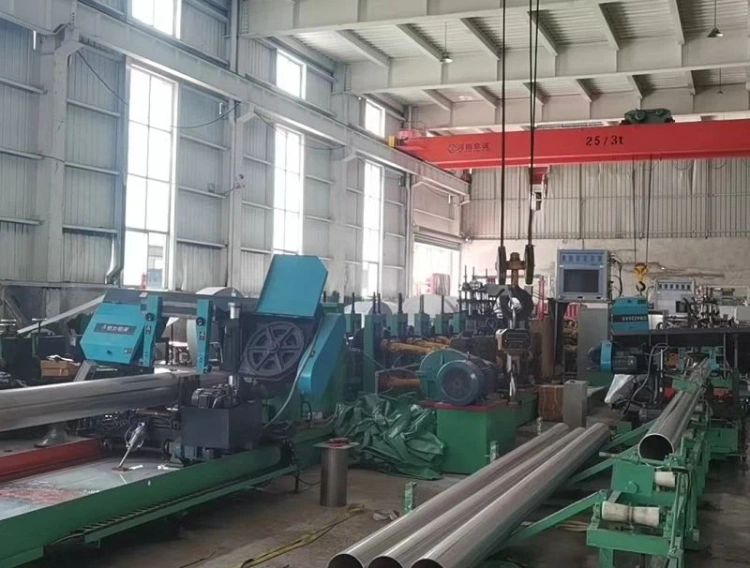
We have our own roll slitting equipment and shock wave device. If our customer need a coil weighs 4 tons, we can split it on our own. Other processing requirements can also be satisfied.
Quality Control
We control the product quality critically for every step during the manufacturing. We offer technical data sheet on our products that can guarantee the quality.
What Is Stainless Steel Round Tube
304 stainless steel round tube is a good, general all-purpose material. It has good corrosion resistant properties, is easily machinable, weldable, and can be polished. It is also sought after because of its strength, ductility, minimum maintenance, and visual appeal.
-
![Stainless Steel Round Pipe Tube 316L Best Price]() Stainless Steel Round Pipe Tube 316L Best Price316L stainless steel pipes are premium corrosion-resistant tubing, ideal for harsh environments like marine, chemical, and food industries. With low carbon content, they avoid sensitization and...read more
Stainless Steel Round Pipe Tube 316L Best Price316L stainless steel pipes are premium corrosion-resistant tubing, ideal for harsh environments like marine, chemical, and food industries. With low carbon content, they avoid sensitization and...read more -
![Stainless Steel Round Pipe 321H Made in China]() Stainless Steel Round Pipe 321H Made in ChinaThe warehouse stocks premium SS321H round tubes, a titanium-stabilized austenitic stainless steel grade ideal for high-temperature and corrosive environments. These precision-engineered tubes,...read more
Stainless Steel Round Pipe 321H Made in ChinaThe warehouse stocks premium SS321H round tubes, a titanium-stabilized austenitic stainless steel grade ideal for high-temperature and corrosive environments. These precision-engineered tubes,...read more -
![Stainless Steel Pipe Tube 316 Made in China]() Stainless Steel Pipe Tube 316 Made in China316 stainless steel pipe, molybdenum - enhanced austenitic alloy, excels in corrosion resistance, especially vs chlorides. Boasts high - temperature strength and weldability. Ideal for marine,...read more
Stainless Steel Pipe Tube 316 Made in China316 stainless steel pipe, molybdenum - enhanced austenitic alloy, excels in corrosion resistance, especially vs chlorides. Boasts high - temperature strength and weldability. Ideal for marine,...read more -
![Stainless Steel Round Pipe Tube 304 Made in China]() Stainless Steel Round Pipe Tube 304 Made in ChinaThese 304 stainless steel pipes—corrosion-resistant, durable, and widely used in industries—are neatly stacked in the warehouse. Their polished surfaces and standard dimensions suit plumbing,...read more
Stainless Steel Round Pipe Tube 304 Made in ChinaThese 304 stainless steel pipes—corrosion-resistant, durable, and widely used in industries—are neatly stacked in the warehouse. Their polished surfaces and standard dimensions suit plumbing,...read more -
![421 Stainless Steel Pipe Tube Best Price]() 421 Stainless Steel Pipe Tube Best Price421 stainless steel tubes feature excellent corrosion resistance and stable mechanical strength. With OD 6-219mm & wall thickness 0.5-10mm, they suit automotive, medical & industrial uses,...read more
421 Stainless Steel Pipe Tube Best Price421 stainless steel tubes feature excellent corrosion resistance and stable mechanical strength. With OD 6-219mm & wall thickness 0.5-10mm, they suit automotive, medical & industrial uses,...read more -
![309 Stainless Steel Pipe Tubing]() 309 Stainless Steel Pipe Tubing309 stainless steel pipes excel in high-temperature (up to 900℃) and corrosive environments. Crafted with premium Cr-Ni alloys, they offer strong oxidation resistance and weldability. Ideal for...read more
309 Stainless Steel Pipe Tubing309 stainless steel pipes excel in high-temperature (up to 900℃) and corrosive environments. Crafted with premium Cr-Ni alloys, they offer strong oxidation resistance and weldability. Ideal for...read more -
![202 Stainless Steel Round Pipe Tubing]() 202 Stainless Steel Round Pipe Tubing202 stainless steel round pipe, with Cr (16-18%) and Ni (4-6%), balances corrosion resistance and cost-effectiveness. Lightweight, high-strength, it suits construction, furniture, and fluid...read more
202 Stainless Steel Round Pipe Tubing202 stainless steel round pipe, with Cr (16-18%) and Ni (4-6%), balances corrosion resistance and cost-effectiveness. Lightweight, high-strength, it suits construction, furniture, and fluid...read more -
![317 Stainles Steel Ss Round Tube]() 317 Stainles Steel Ss Round Tube317 stainless steel pipe, a molybdenum-rich austenitic alloy, offers superior corrosion resistance—especially against pitting and crevice corrosion in harsh environments like acidic,...read more
317 Stainles Steel Ss Round Tube317 stainless steel pipe, a molybdenum-rich austenitic alloy, offers superior corrosion resistance—especially against pitting and crevice corrosion in harsh environments like acidic,...read more -
![301 Stainless Steel Round Pipe Manufacturer For Importer]() 301 Stainless Steel Round Pipe Manufacturer For Importer301 stainless steel pipes, austenitic-type, offer high tensile strength, good ductility, and decent corrosion resistance. Suitable for bending/welding, they serve auto, machinery, and...read more
301 Stainless Steel Round Pipe Manufacturer For Importer301 stainless steel pipes, austenitic-type, offer high tensile strength, good ductility, and decent corrosion resistance. Suitable for bending/welding, they serve auto, machinery, and...read more -
![321 Stainless Steel Round Tube China Manufacturer Price]() 321 Stainless Steel Round Tube China Manufacturer Price321 stainless steel pipes, alloyed with titanium, resist intergranular corrosion, ideal for high-temperature (up to 800°C) and corrosive settings like chemical processing, aerospace, and heat...read more
321 Stainless Steel Round Tube China Manufacturer Price321 stainless steel pipes, alloyed with titanium, resist intergranular corrosion, ideal for high-temperature (up to 800°C) and corrosive settings like chemical processing, aerospace, and heat...read more -
![317 Stainless Steel Round Pipe China Manufacturer Price]() 317 Stainless Steel Round Pipe China Manufacturer Price317 stainless steel pipes, with 18-20% Cr, 11-15% Ni, and 3-4% Mo, excel in corrosion resistance—surpassing 316 in harsh media like sulfuric acid. Boasting high tensile strength (≥515MPa) and heat...read more
317 Stainless Steel Round Pipe China Manufacturer Price317 stainless steel pipes, with 18-20% Cr, 11-15% Ni, and 3-4% Mo, excel in corrosion resistance—surpassing 316 in harsh media like sulfuric acid. Boasting high tensile strength (≥515MPa) and heat...read more -
![420 Stainless Steel Round Pipe Price]() 420 Stainless Steel Round Pipe Price420 steel pipe is a type of stainless - steel pipe. It belongs to martensitic stainless steel, with relatively high carbon content. It can be heat - treated to obtain high strength and hardness,...read more
420 Stainless Steel Round Pipe Price420 steel pipe is a type of stainless - steel pipe. It belongs to martensitic stainless steel, with relatively high carbon content. It can be heat - treated to obtain high strength and hardness,...read more


Five Benefits of Stainless Steel Round Pipe
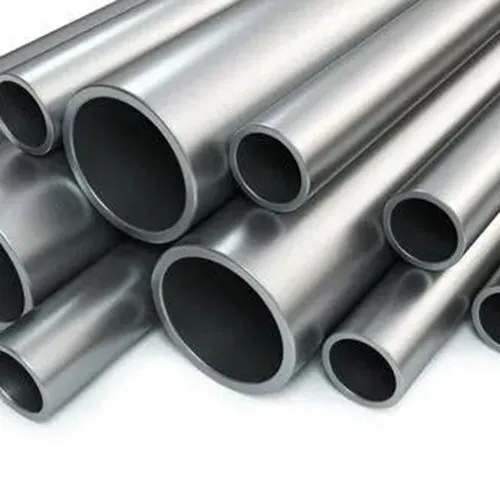
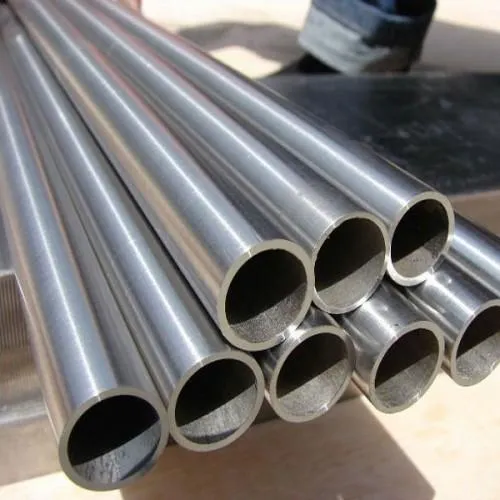
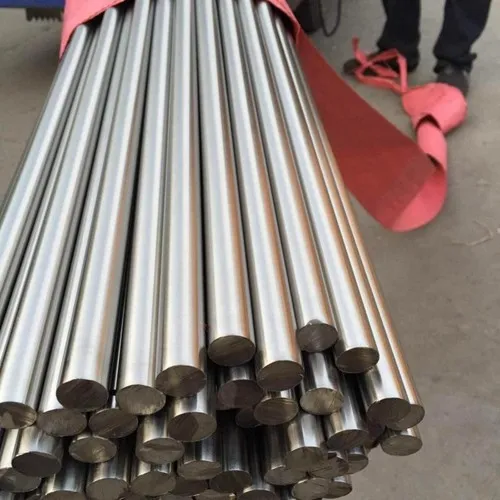
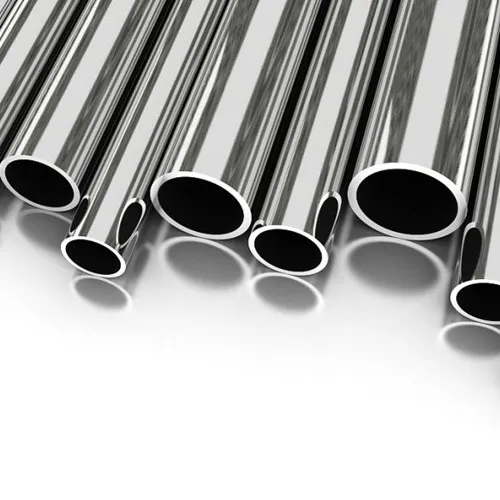
Stain and corrosion resistant
Corrosion is the main enemy of metal piping. The outer surface of steel, iron and concrete piping can degrade from soil and uv light. Interior walls of piping made from other materials will tend to rust, are damaged through abrasion, or accumulate debris. But thanks to the corrosion resistance properties of stainless steel, this is far less common. This gives stainless steel the edge when it comes to applications like sanitary water delivery or hospital applications.
Value
When you use stainless steel round pipes, you are buying a durable product that will last your business for decades. It is a reliable material that is easy to maintain and install. Stainless steel is low-maintenance, and due to its corrosion-resistant properties, it is unlikely they will need to be replaced for decades.
Strength and versatility
Different materials such as nickel, molybdenum, or nitrogen can be added to stainless steel to enhance its corrosion-resistant properties. Stainless steel can handle extreme temperatures. By adding different materials to stainless steel allows for thinner pipe walls and less material which means less added weight to the finished product making it ideal for many commercial and industrial uses.
Appearance
Exposed stainless steel round pipe and fittings are an excellent choice for commercial establishments as the material has a naturally shiny and elegant look.
Environment-friendly
Stainless steel is not a petroleum product. In fact, it doesn't need to be coated or lined with any materials at all, unlike other piping materials. When you need to replace or dispose of stainless steel piping, it is 100% recyclable, reducing the environmental impact.
Stainless steel round pipe is used in a wide range of industries and applications. Some of the most common applications include:
1. Industrial and chemical processing
Stainless steel round pipe is widely used in industrial and chemical processing plants due to its corrosion resistance and durability. It is used to transport various chemicals, gasses, and liquids, including corrosive and high-temperature substances.
In chemical processing plants, stainless steel round pipe is used for its resistance to corrosion and chemical reactions. Stainless steel pipe can withstand exposure to harsh chemicals and maintain its structural integrity, making it a reliable choice for transporting hazardous materials.
2. Oil and gas industry
The oil and gas industry relies heavily on stainless steel round pipe for its pipelines and equipment. Stainless steel is resistant to corrosion and can withstand high pressures and temperatures, making it suitable for transporting oil and gas over long distances.
Stainless steel round pipe is also used in refineries and petrochemical plants for its resistance to corrosive substances and high temperatures. It is a cost-effective choice for these industries, as it requires minimal maintenance and has a long lifespan.
3. Food and beverage industry
Stainless steel round pipe is a popular choice in the food and beverage industry due to its hygienic properties. It is non-porous, making it resistant to bacteria and easy to clean. This makes it suitable for transporting food and beverages, as well as for use in food processing and packaging.
In the food and beverage industry, stainless steel round pipe is also used for its resistance to corrosion and chemical reactions. It can withstand exposure to acidic and alkaline substances, making it a reliable choice for food and beverage processing.
4. Water and wastewater treatment
Stainless steel round pipe is commonly used in water and wastewater treatment plants due to its corrosion resistance and durability. It is used for transporting both clean and wastewater, as well as for various treatment processes.
In water treatment plants, stainless steel round pipe is used for its resistance to corrosion and chemical reactions. It can withstand exposure to chlorine, chloramines, and other chemicals used in the treatment process. In wastewater treatment plants, stainless steel round pipe is used for its durability and ability to withstand high pressures and temperatures.
5. Construction and architecture
Stainless steel round pipe is a popular choice in construction and architecture for its strength, durability, and aesthetic appeal. It is commonly used for structural support, such as in building frames and bridges, as well as for decorative purposes, such as handrails and balustrades.
In construction and architecture, stainless steel round pipe is also used for its resistance to corrosion and weathering. It can withstand exposure to harsh outdoor conditions, making it a reliable choice for outdoor structures.
6. Automotive and transportation
Stainless steel round pipe is used in the automotive and transportation industries for its strength, durability, and resistance to corrosion. It is commonly used for exhaust systems, as well as for fuel and brake lines.
In the automotive industry, stainless steel round pipe is also used for its ability to withstand high temperatures and pressures. It is a reliable choice for high-performance vehicles and heavy-duty trucks.
Different Grades of Stainless Steel Round Pipes
SS 304 Pipes
SS 304 Pipes are popularly known as the "18/8" or "18/10" stainless steel because they contain 18% chromium and 8%-10% nickel respectively. This type of stainless steel round pipe is highly corrosion-resistant due to being stabilized with titanium and molybdenum. It can also withstand temperatures up to 1,500°F which makes it perfect for general use. These pipes are available in various sizes and shapes, including SS seamless Pipes, which are perfect for food processing applications.
Stainless Steel 316 Pipes
The Stainless Steel 316 Pipe is a higher grade compared to 304 Stainless Steel. It contains 2%-3% molybdenum in addition to chromium and nickel, which makes it highly corrosion-resistant, especially against chloride-ion solutions such as salt water. This type of stainless steel round pipe is ideal for marine and coastal environments where there's potential for corrosive liquids.
SS 317 Pipes
Finally, the Stainless Steel 317 Pipe is an austenitic stainless steel designed to withstand aggressive environments with high temperatures and concentrations of sulfuric acid. It contains additional elements like molybdenum, nickel, and chromium which give it the ability to maintain its integrity even under intense temperatures. Stainless Steel Seamless Pipe is commonly used in chemical processing applications and can withstand temperatures of up to 2,500°F.
5 Tips for Cleaning Stainless Steel Round Pipes
Stainless steel round pipes require cleaning at regular intervals for effective maintenance of their integrity.You can educate about the signs of contamination, corrosion, and surface degradation of stainless steel to determine what degree of cleaning and care it requires.To establish the best cleaning criteria, you need to identify the scope and objectives of your cleaning process by carefully inspecting the stainless steel round pipes.
The surface of stainless steel round pipes has a thin layer of chromium oxide which protects the metal from corrosion. The alloy's chromium content combines with oxygen from the atmosphere to form the passive layer of chromium oxide. Various contaminants can get trapped within the passive film and can severely affect its corrosion resistance properties. Hence, stainless steel products require regular cleaning to prevent corrosion and protect the luster of the surface.
● Routine cleaning
To carry out routine cleaning of stainless steel round pipes, you can clean them with soap, mild detergent, or ammonia solutions in warm water. You can apply any of these agents with a soft cloth or nylon sponge. After this, you need to rinse and dry it with a soft cloth. It helps to remove ordinary soiling. While cleaning stainless steel, use mild non-scratching abrasive powders, and avoid using standard carbon steel brushes or steel wool. It can leave articles embedded on the surface, which can trigger rusting.
● Solvent cleaning
You can use organic solvents to remove stains that are fresh and have not yet oxidized or decomposed. The solvent should not contain chlorine, like acetone, methyl alcohol, and mineral spirits. You can immerse smaller articles into the solvents or use the vapor cleaning method to control the discharge of solvents. Wipe it post-cleaning.
● For moderate soiling
You can use a mild abrasive cleaner for moderate soiling and light staining and use a soft cloth, nylon scouring pad, or a soft bristle brush. In the direction of the polished finish, use the material to make long, even strokes. You need to avoid using a circular rubbing action. After you clean it, you need to rinse and dry-wipe to complete the process and remove water stains.
● For heavier soiling
For more intense staining and heavy soiling, you can use ammonia solution or warm/hot detergents. You can also use acidic cleaners and follow the cleaning procedures mentioned for moderate soiling.
● Passivating treatment
To maximize the corrosion resistance capability of stainless steel and remove surface contaminants, you can use the passivation treatment. First, you need to clean the stainless steel surface thoroughly and remove the pollutants. After this, you need to enter the metal in a passivating acid bath. Depending on the chromium content and the machinability properties of the stainless steel grade, the nature of the passivation treatment will vary.
Maintenance Tips and Tricks for Stainless Steel Round Pipes
Proper cleaning will go a long way in maintaining the appearance and function of your stainless steel round pipes. Make it a routine to clean the surface with warm water and mild detergent, then rinse thoroughly with cold water. Avoid harsh chemicals, such as bleach or other cleaning solutions with ammonia, as it could damage the finish. Additionally, do not use abrasive pads or wire brushes that can scratch the surface of the steel.
You should conduct regular inspections to maintain the highest performance of your stainless steel round pipe. Check for any signs of staining, corrosion, or surface damage. Keeping a regular inspection schedule will also help to identify potential issues early on and prevent them from becoming more significant problems later on.
Lubrication is another essential step in maintaining stainless steel round pipes. Proper lubrication will help prevent erosion and corrosion of the pipe's interior surface, especially in areas where fluids with high pH levels or corrosive chemicals pass through. Therefore, a silicone-based lubricant formulated for stainless steel is a must-have.
Contamination is a major cause of early failures of stainless steel round pipe. Therefore, always be mindful of the pipes' contamination or harmful chemicals exposure. Ensure that you use only appropriate products during cleaning or maintenance.
Heat treatment is an additional step that can be taken to enhance the performance of stainless steel round pipes. Heat treatment strengthens the steel, making it more corrosion-resistant and wear. However, this process should be adequately supervised since heat treatment can affect the steel's mechanical properties.
Choosing the Right Stainless Steel Round Pipe
Piping is a major component in processing plants like refineries, power plants, and chemical industries. It is imperative that the right size is chosen for the job. Knowing the pipe's internal diameter helps you determine the fluid capacity and flow rate of the media carried for the process. Nominal pipe sizes (NPS) identify pipes' outer diameter. Subtracting the internal diameter from the outer gives you an indication of the wall thickness (the schedule), which becomes important when pressure considerations come into play.
Material
Stainless steel round pipes are available in different grades of steel. The one you select depends on your needs. The chemical properties of the fluid the pipes will carry may not be compatible with stainless steel piping and may corrode it from the inside. Similarly, the external environment may not favor the use of stainless steel round pipes. In offshore environments, chloride salts seek to threaten the integrity of piping, hence, you may require stainless steel piping as opposed to the more common 304 grade. A cost-benefit analysis may even allow you to use 304 steel, given that you apply necessary corrosion prevention methods, like painting or sacrificial coating on the pipe surface.
Seamless or welded
Pipes are constructed via two methods. The first is seamless, whereby an ingot is pressed to a cylindrical shape after hot extrusion. In contrast, welded piping is rolled into a cylindrical shape and welded at the seams to make a hollow pipe. Welded piping has its merits when it comes to cost, durability, and availability. However, seamless piping is much more corrosion resistant and can withstand higher working pressure.
Wuxi Hongcheng Metal Products Steel Co.,ltd is a manufacturer and exporter dedicated to stainless steel industry for decades. With improving sales and service experience, we have now built strong business relationships with clients at home and abroad.
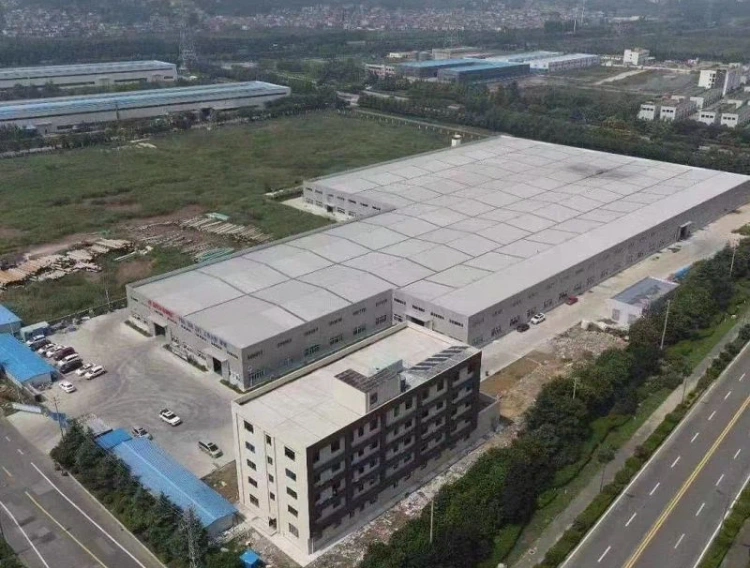
Hongcheng Metal Products is an enterprise incorporating raw material supply, storage, processing and delivery with the benefits of advanced industries and convenient transportation.
FAQ
As one of the most professional stainless steel round pipe manufacturers and suppliers in China, we're featured by quality products and good price. Please rest assured to buy stainless steel round pipe made in China here from our factory.
2 inch diameter stainless steel pipe, 2 inch schedule 40 stainless steel pipe, 16 inch schedule 80 pipe