

Stainless Steel Strip
Why Choose Us
Professional Team
Wuxi Hongcheng Metal Products Steel Co.,ltd is a manufacturer and exporter dedicated to stainless steel industry for decades. With improving sales and service experience, we have now built strong business relationships with clients at home and abroad.
Wide Range of Products
Our main products are featuring stainless steel sheet, coil, bar, pipe, flat steel, square steel, angel steel, channel steel, hexagonal rod, etc. Our processing includes mirror surface, common wire drawing, oil mill, titanium coating, etching checked plate and other customized processing.
Advanced Equipment
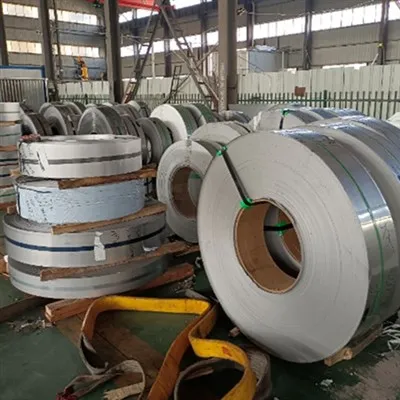
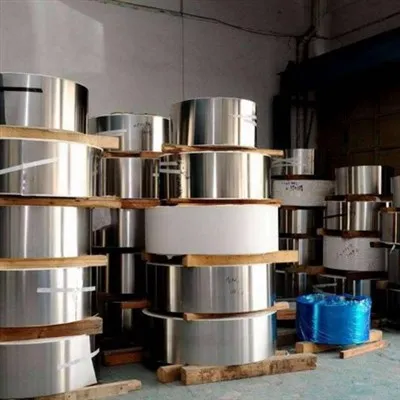
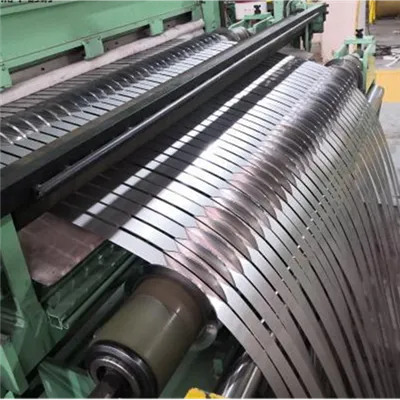
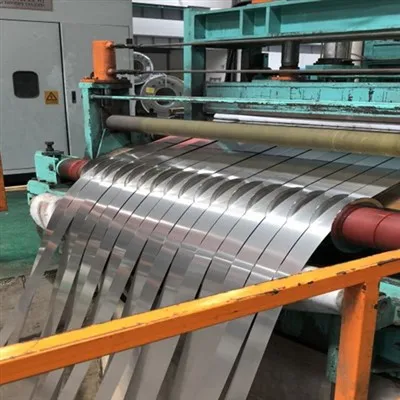
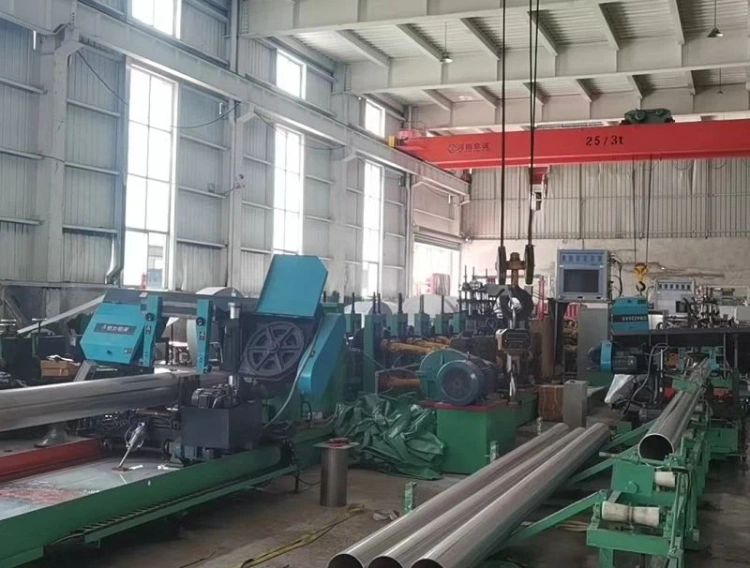
We have our own roll slitting equipment and shock wave device. If our customer need a coil weighs 4 tons, we can split it on our own. Other processing requirements can also be satisfied.
Quality Control
We control the product quality critically for every step during the manufacturing. We offer technical data sheet on our products that can guarantee the quality.
What Is Stainless Steel Strip
Stainless steel strip is a steel product used in applications that require durable and corrosion-resistant material. It is mainly used in construction, manufacturing, home, and commercial cooking equipment and appliances.
The Stainless Steel Strip Production Process
Melting and casting
Steel and alloying metals are loaded into an electric arc furnace. Once in the furnace, the metal is heated to a specific temperature above its melting point, usually in excess of 2800°f. Due to the extreme temperatures, precision, and large volumes required, the melting stage generally requires 8–12 hours. Throughout this stage, steel technicians regularly check the bath temperature and chemical composition.
After the steel alloy is completely melted, the mixture is refined. Argon gas and oxygen are pumped into the furnace, where they convert impurities to gas and cause others to form slag for easy removal. For most applications, the refined steel is cast into forms including blooms, billet, slabs, rods, and tube rounds. These will be used as the raw materials for wrought products. Foundries can cast stainless steel strip into its final intended shape by creating a mold to that design. This shape may undergo some machining as a finishing step rather than a manufacturing step.
Forming
Most cast steel is formed by hot rolling—the slab, bloom, or billet is heated and passed through large rollers, stretching out the steel into a longer, thinner form. Hot rolling occurs above the recrystallization temperature of the steel. Each slab is formed into a sheet, plate, or strip, while blooms and billets are formed into wires and bars.
Cold rolling is used when more precise dimensions or a superior surface shine are required. It occurs below the recrystallization temperature of the steel. Cold rolling uses small diameter wheels with a series of supporting wheels to create smooth, wide sheets of stainless steel strip to close tolerances.
Heat treatment
Heat treatment strengthens rolled stainless steel strip by recrystallizing the deformed microstructure. Most stainless steel strip is heat treated by annealing. The stainless steel strip is heated to an exact temperature above its crystallization temperature, and slowly cooled under controlled conditions. This process relieves internal stresses and softens the stainless steel strip. The annealing temperature, time, and cooling rate all impact the properties of the complete steel.
Descaling
A rolled piece of stainless steel strip acquires a layer of oxidized "mill scale," which needs to be washed away to restore a shiny surface finish. Mill scale is usually removed through chemical means like electro-cleaning and pickling. In pickling, the stainless steel strip is submerged in a bath of nitric-hydrofluoric acid. Electro-cleaning makes use of a cathode and phosphoric acid to pass a current onto the stainless steel strip surface. The de-scaled metal is finished off with a high-pressure water rinse, leaving a bright, shiny finish.
Work hardening
Work hardening is the process of strengthening material through deformation. stainless steel strips harden quickly overall, with the exact rate determined by the specific grade. Austenitic steels harden more readily than other grades.
Cutting or machining
Stainless steel strip is cut to a specified shape and size. The stainless steel strip can be sheared with circular knives, sawed with high-speed blades, or blanked with punches. Alternative methods such as flame, plasma, and waterjet cutting are sometimes used.
For objects cast in a foundry to already be close to final form, this cutting/machining stage may just be to clean join lines, bring measurements to precise tolerances, or create a surface finish.
Finishing
Stainless steel strips can be made with a wide variety of surface finishes. The chosen surface finish is not purely aesthetic. Certain finishes make stainless steel strip more resistant to corrosion, easier to clean, or more readily used in manufacturing. The type of finish is determined by the intended application.
Surface finishes are the combined result of fabrication processes and finishing methods. Hot rolling, annealing, and de-scaling produce a dull finish. Hot rolling followed by cold rolling on polishing rolls producing a bright finish. A combination of cold rolling, annealing, and buffing with a fine surface creates a reflective surface. An array of grinding, polishing, buffing, and sandblasting equipment is used in finishing stainless steel strip surfaces.
Elements of Stainless Steel Strips
Stainless steel strip is defined a steel alloy containing a variety of elements with different characteristics, but contains a minimum of 10.5% chromium. Because of the variety of elements, there are a great many types of stainless steels available. These types can be classified in one of four groups: austenitic, ferritic, martensitic and duplex.
Austenitic
Because it contains elements like nitrogen, nickel and manganese, austenitic steel has a cubic structure. This makes it easy to weld and form. It is also very tough and durable which makes it by far the most popular type of stainless steel.
01
Ferritic
Although ferritic stainless steels are not as tough and durable as austenitic stainless steels, they are generally cheaper, and more resistant to cracking and stress corrosion. This type of steel contains between 10% and 18% chromium and a low carbon content usually less than 0.1%.
02
Martensitic
This is the first stainless tell that was commercially developed. With a high chromium content and a carbon content of as much as 1%, Martensitic stainless steel can be tempered and hardened just like low-alloy steels and carbon. This is why it is the stainless steel that is most commonly used in medical tool production.
03
Duplex
An equal combination between Austenitic and Ferritic steel, Duplex stainless steels have double the strength of Austenitic steel but is also resistant to pitting and cracking through stress corrosion. It is a cost-effective and yet strong, durable and resistant stainless steel.
04
Aesthetics
Stainless steel strip has a great variety of surface finishes, from matt to bright and including brushed and engraved. It can be embossed or tinted, making stainless a unique and aesthetic material. It is often used by architects for building envelopes, interior design and street furniture.
Mechanical properties
Compared to other materials, stainless steel strip has strong mechanical properties at ambient temperatures – it is steel after all! In particular, it combines ductility, elasticity and hardness, enabling it to be used in difficult metal forming modes (deep stamping, flat bending, extrusion, etc.) while offering resistance to heavy wear (friction, abrasion, impact, elasticity, etc.). Furthermore, it offers good mechanical behaviour at both low and high temperatures.
Resistance to fire
Stainless steel strip has the best fire resistance of all metallic materials when used in structural applications, having a critical temperature above 800°C.
Corrosion resistance
With a minimum chromium content of 10.5%, stainless steel strip is continuously protected by a passive layer of chromium oxide that forms naturally on the surface through the reaction of the chromium with oxygen from air or water. If the surface is scratched, it regenerates itself. This particularity give stainless steel strips their corrosion resistance.
Cleanability
Stainless steel strip items are easy to clean, usual cleaning products (detergents, soap powders) are sufficient and do not damage the surface. Stainless steel strip fully meets the requirements of decoration and cooking utensils that require frequent and effective washing.
Recycling
Stainless steel strip is the "green material" par excellence and is infinitely recyclable. Within the construction sector, its actual recovery rate is close to 100%. It is environmentally neutral and inert when in contact with elements such as water and it does not leach compounds that might modify their composition. These qualities make stainless steel strip ideally suited to building applications exposed to adverse weather, such as roofs, facades, rainwater recovery systems and domestic water pipes.
Classification of Stainless Steel Strip
● Classification by microstructure
Stainless steel strips can be classified into austenitic, martensitic, ferritic, and duplex types. Among them, austenitic stainless steel is the most common type, which has good corrosion resistance and processing properties and is widely used in food, chemicals, and medical equipment industries. Martensitic stainless steel has high strength and hardness, good wear resistance, and is widely used in the manufacture of cutting tools, springs, and other components. Ferritic stainless steel has good corrosion resistance and high-temperature performance and is used for automotive components and high-temperature equipment. Duplex stainless steel has good corrosion resistance and strength and is widely used in the manufacture of petrochemical equipment and other fields.
● Classification by composition
Stainless steel strips can also be classified into chrome-based stainless steel, chrome-nickel stainless steel, and chrome-manganese stainless steel. Chrome-based stainless steel contains high chrome content and has good corrosion resistance and processing properties, which are widely used in the manufacture of tableware, medical equipment, and other applications. Chrome-nickel stainless steel contains high chrome and nickel content, has good corrosion resistance and high-temperature performance, and is widely used in the manufacture of chemicals, petroleum, and other industries. Chrome-manganese stainless steel contains high chrome and manganese content, has good strength and hardness, and wear resistance, and is widely used in the manufacture of cutting tools, springs, and other components.
Common Uses of Stainless Steel Strips
Stainless steel strips are incredibly versatile and find applications across various industries due to their exceptional properties. Some common uses of stainless steel strips include:
Automotive Industry: Stainless steel strips are widely used in the automotive sector for making parts like exhaust systems, trim, and molding.
Construction: In construction, stainless steel strips are used for structural support, cladding, roofing, and decorative purposes due to their durability and corrosion-resistant nature.
Kitchen Appliances: Many kitchen appliances, such as refrigerators, stoves, and dishwashers, utilize stainless steel strips for their sleek appearance and anti-corrosive properties.
Medical Equipment: Stainless steel strips are an integral component in medical equipment such as surgical instruments, dental tools, and implants due to their hygienic and sterilizable nature.
Electronics: The electronics industry makes use of stainless steel strips in the production of components like mobile phone frames, computer hardware, and electronic enclosures.
Oil and Gas Industry: Stainless steel strips are utilized in the oil and gas sector for tubing, pipelines, and various structural components due to their resistance to harsh environmental conditions.
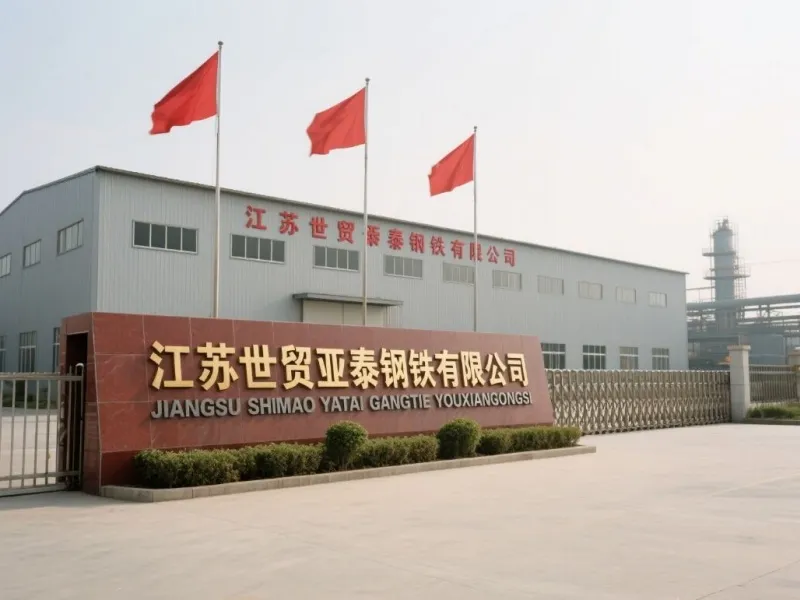
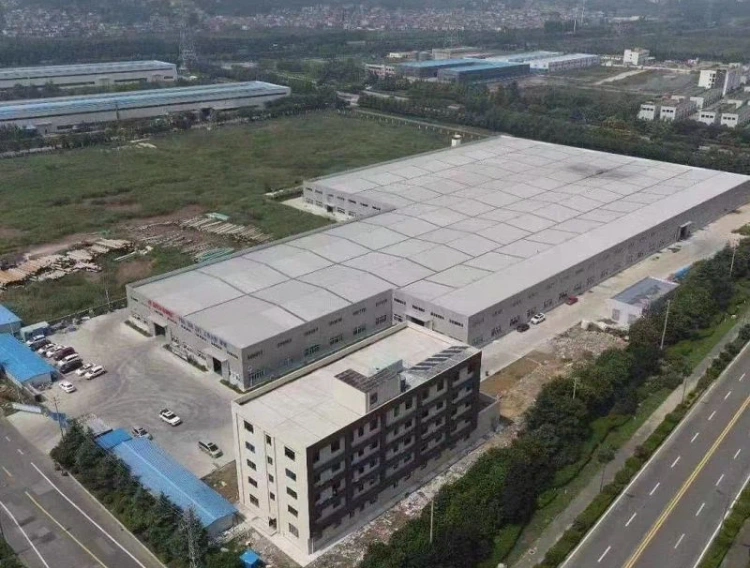
Wuxi Hongcheng Metal Products Steel Co.,ltd is a manufacturer and exporter dedicated to stainless steel industry for decades. With improving sales and service experience, we have now built strong business relationships with clients at home and abroad.
Hongcheng Metal Products is an enterprise incorporating raw material supply, storage, processing and delivery with the benefits of advanced industries and convenient transportation.
FAQ
As one of the most professional stainless steel strip manufacturers and suppliers in China, we're featured by quality products and good price. Please rest assured to buy stainless steel strip made in China here from our factory.
stainless steel capillary, 6mm stainless steel bar, black stainless sheet